Oil & Gas Downstream
All Products
Our Full Range of Products
Explore our comprehensive range of gardening and landscaping services designed to enhance the beauty and functionality of your outdoor spaces.

Lubricity Improvers
Lubricity improvers are chemical additives designed to reduce friction and wear between moving parts, particularly in the context of ultra-low sulfur diesel (ULSD) and other low-lubricity fuels. By enhancing the lubricating properties of these fuels, lubricity improvers significantly contribute to better performance and protection of engine and pump components. In drilling operations, improved lubricity can enhance drilling efficiency by minimizing torque and drag, extending equipment lifespan, and reducing the risk of mechanical failures.

Mercaptan Scavengers
Mercaptan scavengers play a crucial role in improving fuel quality by targeting and removing sulfur-containing compounds such as mercaptans. These compounds are known for their pungent odor and corrosive nature. The use of scavengers ensures compliance with environmental regulations and enhances the olfactory and corrosion-resistant properties of refined fuels. Efficient sulfur removal is also critical to prevent catalyst poisoning in downstream catalytic processes and to reduce emissions during combustion.

Gum Retardants
Gum retardants are essential additives used to inhibit the formation of sticky, resinous deposits known as gums in gasoline and other fuels. These deposits can lead to injector clogging, carburetor malfunction, and overall degradation of engine performance. By stabilizing fuel composition and preventing oxidation reactions that lead to gum formation, gum retardants extend the storage life of fuels and preserve engine efficiency and cleanliness.

Drag Reducers
Drag reducers are high-molecular-weight polymers or surfactants added to crude oil and refined products during pipeline transport. Their function is to reduce turbulence and frictional pressure losses in pipelines, allowing for increased flow rates and improved energy efficiency. By optimizing pipeline flow dynamics, drag reducers help lower pumping costs, extend pipeline lifespan, and enhance throughput, which is particularly valuable in high-demand or long-distance transmission systems.

Octane Boosters
Octane boosters are additives used to increase the octane rating of gasoline, thereby enhancing its resistance to engine knocking or pre-ignition. Higher octane fuels allow for improved engine performance, higher compression ratios, and better fuel economy. These boosters are especially important in meeting the performance demands of modern high-efficiency and high-performance engines. Additionally, they contribute to smoother combustion and reduced engine wear over time.
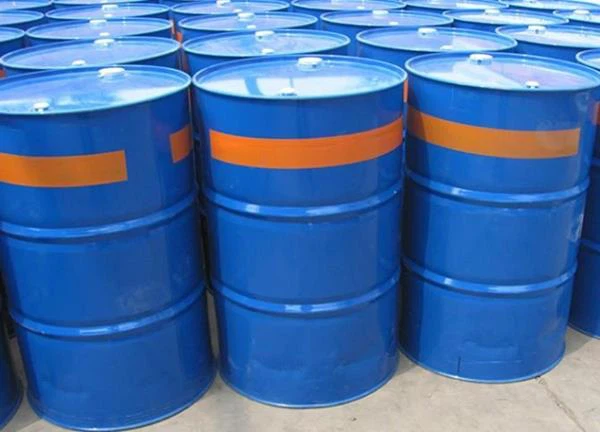
Perchloroethylene (PERC, PCE, or Tetrachloroethylene) i
Perchloroethylene is a volatile organic compound (VOC) and a chlorinated hydrocarbon with the chemical formula C₂Cl₄. It is a clear, colorless, dense (1.62 g/cm³), nonflammable liquid with a sharp, sweet, ether-like odor, often associated with dry-cleaned clothes.
Primary Uses and Applications:
- Dry Cleaning: PERC is the dominant solvent used in the dry cleaning industry, accounting for approximately 80% of all dry cleaning in recent decades. It is highly effective at dissolving greases, oils, and waxes from fabrics without damaging them or causing shrinkage.
- Metal Degreasing: It is extensively used in industrial and automotive settings to remove contaminants like cutting oils, lubricants, and dirt from metal parts, a critical step before painting, welding, or assembly. This is often done in specialized equipment called vapor degreasers.
- Chemical Intermediate: It serves as a precursor (raw material) in the synthesis of other chemicals, most notably hydrofluorocarbon (HFC) refrigerants like HFC-134a.
- Other Uses: Historically, it was used as a solvent in consumer products (e.g., water repellents, silicone lubricants, spot removers) and in the textile processing industry. It has also been used as a vermifuge (to treat parasitic worms) in veterinary medicine.